How often should you water houseplants?
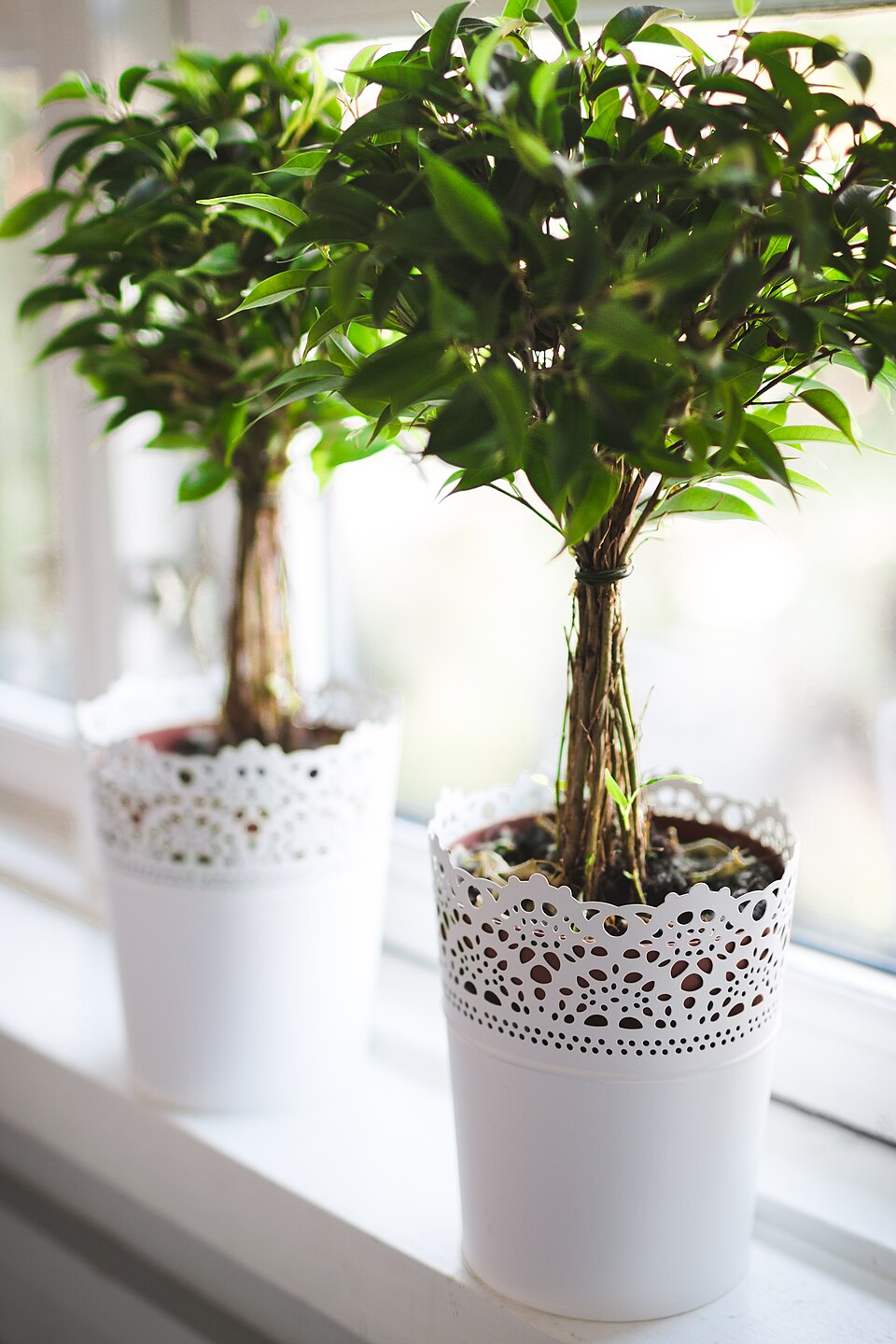
If you want a number, here is the honest one: there isn't one. A plant needs water when its soil has dried to the right point, and how long that takes depends on the plant, the pot, the light, the room and the time of year. Some plants in a sunny window are thirsty every few days. The same plant in a dim corner in winter might go three weeks.
That sounds vague, but it is actually good news. Once you know how to check, you never have to guess. This guide covers how to tell when a plant is ready, how to water so it really helps, and why the usual advice of "once a week" so often goes wrong.
Why "once a week" fails
A fixed schedule treats every plant, pot and season the same. Roots are not on a calendar. A plant uses water as fast as light, warmth and its own size allow, and soil dries as fast as air, heat and the pot allow. Change any of those and the right gap between waterings changes too.
A schedule also hides the thing that matters, which is the state of the soil. If you water on Sunday because it is Sunday, you will sometimes water soil that is still wet, and that is how most houseplants are lost. Overwatering is a much more common problem than forgetting.
Think of a schedule as a day to check, not a day to water. "I look at my plants on Sundays" is a fine habit. "I water my plants on Sundays" is where the trouble starts.
Two checks that work on almost any plant
The finger test
Push a finger into the soil, to the first knuckle for a small pot or two knuckles for a big one (roughly 2 to 5 cm, or 1 to 2 inches). Pull it out and look at it.
- Dry and clean, no soil sticking: the top of the soil is dry.
- Damp, dark soil sticks to your finger: there is still water down there.
- Cool and wet: wait.
A wooden skewer or a chopstick does the same job if you do not like dirty fingers. Push it to the bottom of the pot, leave it for a minute, and see how much dark, damp soil clings to it. This is also the easiest way to check a deep pot, where the top is dry but the bottom is still soaked.
The weight test
Water a plant thoroughly, let it drain, and lift the pot. Remember how heavy it feels. Lift it again when you think it is dry. A pot full of wet soil is much heavier than one that has dried out, and after a few rounds you can tell with one hand. It is quick, it works on pots too big to poke around in, and it is gentle on roots.
How much to give
When a plant is ready, water it properly. Pour slowly around the soil until water runs out of the drainage holes at the bottom. That wets the whole root ball and not just the top, and it washes out some of the salts that build up in soil.
Then empty the saucer or cache pot after about 15 to 30 minutes. A plant standing in a puddle keeps its roots wet for days, and wet roots without air are what lead to rot.
Small sips, a little every day, mostly wet the surface. They leave the lower roots dry and the top soggy, which is the worst of both. It is better to water well and then wait.
What changes the answer
- Light. More light means more growth and more water used. A plant by a bright window drinks much faster than the same plant across the room.
- Pot size and material. Small pots dry out faster than big ones. Terracotta breathes and dries faster than glazed ceramic or plastic. A pot with no drainage hole holds water at the bottom, so water it more carefully and in smaller amounts.
- Season. Most plants grow more slowly in winter, when days are short, so they drink less. Check more often than you water. Heating can dry the air without drying the soil much, and a dry soil surface does not always mean the roots are thirsty.
- Soil. A chunky mix with bark or perlite dries quickly. A dense, peaty mix stays wet longer.
- The plant itself. This is the biggest one, and the table below gives a starting point.
| Kind of plant | Water when |
|---|---|
| Succulents, cacti, snake plants, ZZ plants | The soil is dry all the way down |
| Most leafy houseplants, such as pothos, monstera, philodendron, ficus | The top 2 to 5 cm (1 to 2 in) is dry |
| Plants that like steady moisture, such as ferns and calatheas | The top 1 cm (half an inch) is dry, and never let them stay dry for long |
Treat that as a starting point. Orchids, for example, grow in bark and have their own rules, and a plant you bought with a care tag is worth asking about too. When you are unsure, wait a day and check again: most plants forgive a day of dryness far more easily than a week of wet feet.
Signs you are watering too much or too little
Both mistakes can look alike at first, because a drooping plant is drooping. Always check the soil before you do anything.
Too much water
- Leaves turn yellow, usually the lower ones first, and may drop.
- The soil stays wet for days, or smells musty.
- Stems feel soft or mushy near the base.
- Tiny flies (fungus gnats) hover around the pot.
Too little water
- Leaves droop, then perk up within hours of watering.
- Leaf edges turn brown and crisp.
- The pot feels very light, and the soil may pull away from the sides.
- Growth slows, and lower leaves dry up.
If the soil is wet and the plant droops, it is the roots that are struggling, and more water will make things worse. If the soil is bone dry and the plant droops, water it well and watch it recover. Our guide to yellow leaves on houseplants walks through the other causes if watering does not explain it.
A few small habits that help
- Use room-temperature water. Very cold water can shock roots.
- Mind your tap water. Most plants are fine with it. A few, such as calatheas and prayer plants, sometimes get brown leaf tips from the minerals in hard water, and filtered or rain water can help.
- Water the soil, not the leaves, especially for plants with fuzzy leaves or a tight rosette in the middle.
- Water in the morning if you can, so the surface has the day to dry.
- Try bottom watering when a pot has dried out completely or a plant dislikes wet leaves. The bottom watering guide explains when it helps.
Keep a simple log
The quickest way to learn your own plants is to write things down. Note the date of each watering and how dry the soil was when you gave it. After a few rounds you will see a rhythm for each plant: "the pothos is ready about every ten days in summer", "the fern wants water twice as often". That rhythm is yours, set by your window and your pot, and no article can give it to you.
A notebook works. So does anything that makes you look at the plant on purpose. The point is to replace "I think it was last Tuesday" with a real record, and to let the plant decide the schedule.