Spider mites on houseplants: spot them early
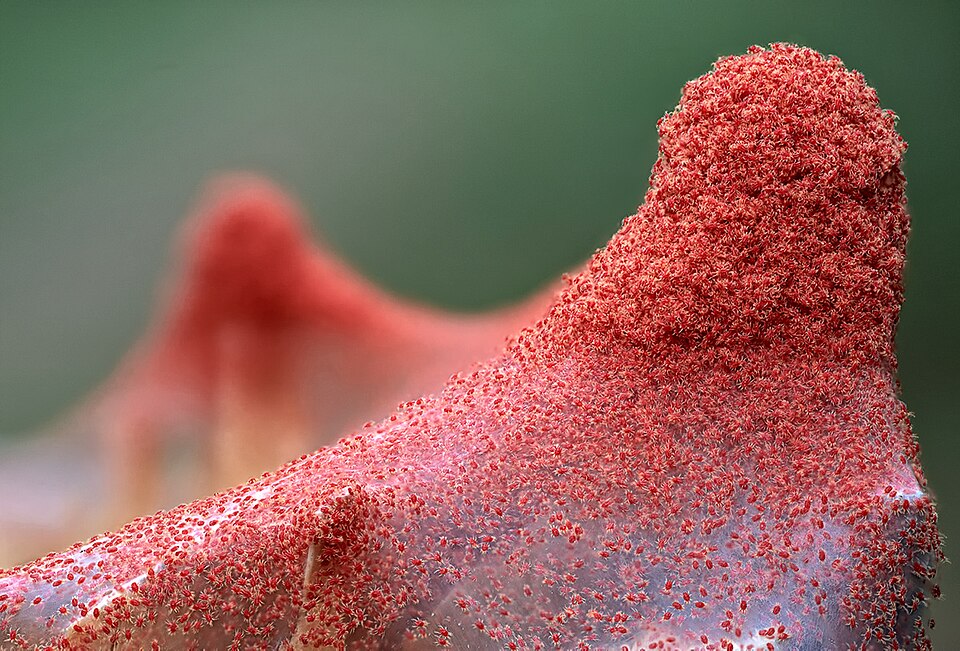
Spider mites are some of the smallest and sneakiest pests a houseplant can get. By the time many people notice them, a plant has fine webs and dull, speckled leaves. They are fixable, but the sooner you spot them the better.
This guide shows how to recognise them, why they appear, and how to get rid of them without making the plant worse.
What they are
Spider mites are tiny, often less than a millimetre long, so you can barely see them as moving dots. They are related to spiders rather than insects. They pierce leaf cells and feed on the contents, and a large group can drain a plant's leaves.
Most are pale, reddish or brownish. They live mainly on the undersides of leaves and around the growing tips, and they multiply fast in warm, dry conditions.
How to spot them
Look for these signs, ideally with a bright light or a magnifying glass:
- Fine speckling. Tiny pale or yellow dots on the leaf surface, where cells were drained.
- Dull, dry-looking leaves that lose their shine.
- Fine silky webbing, most visible between leaves and stems or at the tips.
- Leaves turning yellow or bronze, then dropping.
- Tiny moving specks on the underside of leaves.
A simple test: hold a sheet of white paper under a leaf and tap the leaf gently. Tiny specks that crawl across the paper may be mites.
Why indoor plants get them
Spider mites love warm, dry air. Heated homes in winter, plants near radiators and rooms with low humidity suit them. They also thrive on stressed plants and can arrive on new plants, on cut flowers or on a breeze through an open window.
They tend to be a problem on plants with thin leaves, and some plants are favourites, including palms, ivy, calathea and many flowering plants. Thick-leaved plants such as snake plants or succulents are less often bothered.
What to do
1. Isolate the plant
Move it away from other plants straight away. Mites spread from plant to plant, and leaves that touch let them walk across.
2. Wash them off
Take the plant to a shower or sink and rinse it with lukewarm water, paying special attention to the undersides of leaves. This knocks off many mites and webbing. Let the plant drain and dry in a bright place, away from cold draughts.
3. Wipe the leaves
Wipe each leaf, top and underneath, with a soft damp cloth. For plants with fuzzy leaves, avoid soaking them, and use a soft brush.
4. Treat with soap or oil
Insecticidal soap or horticultural oil kills mites on contact. Follow the label for dilution. Spray thoroughly, including the undersides, and test first on one leaf and wait a day, since some plants are sensitive. Avoid treating in strong sun.
Many homemade recipes with dish soap exist, but a product made for plants is gentler and more predictable.
5. Repeat
This is the step people skip. Mite eggs survive most treatments, and new mites hatch every few days. Repeat the wash and treatment every few days for two to three weeks, until you see no more webbing, speckles or movement. Inspect each time.
6. Prune the worst
If some leaves or stems are heavily infested and damaged, cut them off and throw them away. Don't compost them indoors.
7. Consider other options
If the infestation is severe, garden centres sell miticides and predatory mites that eat spider mites. Read the label carefully and keep these away from children and pets.
Raise the humidity
Mites dislike humid air. Extra humidity does not cure them but it makes things harder for them. You can:
- group plants together
- use a tray of pebbles with water (making sure the pot is not standing in the water)
- run a humidifier near plants that like it
- move plants away from radiators and heaters
Misting leaves is a popular tip, but its effect is brief, and wet leaves can bring other problems on some plants. Washing the plant does more good.
Keep the plant strong
A healthy plant resists pests better. Water it properly, because stress from dryness invites mites, but don't go to the other extreme. See the guide to how often to water and overwatering vs underwatering. Give it the light it needs, and feed lightly in the growing season (see the fertilizing guide).
Prevention
- Inspect plants regularly, especially the undersides of leaves and the tips.
- Quarantine new plants for two weeks.
- Dust leaves from time to time.
- Keep air moving gently, without cold draughts.
- Be extra watchful in winter, when heating dries the air. See houseplant care in winter.
Is it something else?
Speckled, yellowing leaves can have other causes, such as too much sun, a watering problem or a nutrient issue. The webbing and the tiny dots help tell mites apart. If you only see small flying insects near the soil, those are usually fungus gnats. For yellowing without any pests, see yellow leaves on houseplants.
Don't panic
Spider mites sound dreadful, but in most homes they are beaten with persistence. The washing, the wiping and above all the repeating are what work. Check the plant every few days, keep notes of when you treated it, and give it time to grow fresh leaves.