Overwatering vs underwatering: how to tell
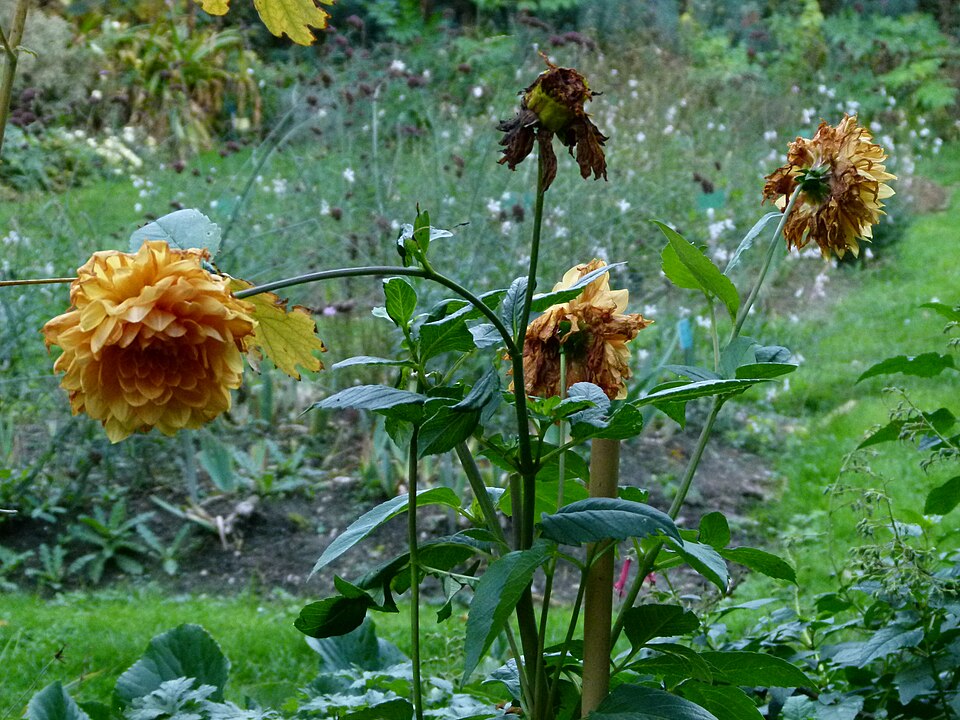
A drooping plant looks the same whether it has too much water or too little. Both leave you with limp leaves and a worried feeling, and both are common. The difference matters because the cure for one makes the other worse.
This guide puts the two side by side, shows what to check, and walks through the fix for each. If you remember one thing, make it this: check the soil before you do anything.
Why they look alike
Roots do two jobs: they drink water and they breathe. When roots sit in soggy soil they run out of air, stop working and start to rot. A plant with failing roots cannot lift water to its leaves, so it wilts, even though the soil is wet. When soil is bone dry, the plant wilts because there is no water to lift. The leaves tell the same story for two opposite reasons.
So never judge by the leaves alone. Look at the soil and the pot.
The quick check
- Push a finger two to five centimetres (one to two inches) into the soil. Dry and crumbly, or damp and cool?
- Lift the pot. Light means dry. Heavy means wet.
- Look at the surface. Is it pulling away from the pot's edge, or is it dark, shiny and maybe a little mouldy?
- Smell it. Healthy soil smells earthy. A sour or musty smell suggests it has been wet too long.
- Check the drainage holes. If roots are rotting, you may see dark, soft roots poking out.
Side by side
| Sign | Too much water | Too little water |
|---|---|---|
| Soil | Wet or damp for days | Dry, may pull away from the pot |
| Pot weight | Heavy | Very light |
| Leaves | Yellow, soft, often lower ones first | Dry, crisp edges, curling, dull |
| Wilting | Soil is wet and the plant still droops | Plant perks up within hours of watering |
| Stems | Soft or mushy near the base | Firm but may look thin or shrivelled |
| New growth | Stunted, may blacken | Slow, small |
| Smell | Musty or sour | None |
| Extras | Fungus gnats, mould on soil | Soil dust, water runs straight through |
Few plants show every sign. Treat the table as a guide to the pattern.
If it is overwatered
- Stop watering. Let the soil dry well, further than you normally would.
- Check the roots if it is bad. Slide the plant out of the pot. Healthy roots are firm and pale. Rotten ones are dark, soft and smelly.
- Cut away rotten roots with clean scissors, and trim any dead leaves.
- Repot in fresh, dry, well-draining mix in a pot with drainage holes. Don't pick a pot much bigger than the roots.
- Wait before watering again, then water lightly once the plant settles.
- Move it to a brighter spot if it is dim, because light helps the soil dry.
Some plants, especially succulents and snake plants, rot very fast. Others recover if you catch it early. A plant with just a few yellow leaves and soil that is still moist is salvageable. A plant with a mushy base is much harder to save, but healthy stems can often be rooted as cuttings (see propagating cuttings in water).
If it is underwatered
- Water thoroughly. Pour slowly until it runs out of the bottom.
- If the soil has gone hard and water runs straight through, soak the pot. Stand it in a bowl of water for 20 to 30 minutes so the soil can absorb it (see the bottom watering guide), then let it drain.
- Trim dead leaf tips and brown leaves if you like, but you don't have to. The plant won't mind.
- Be patient. Plants usually perk up within a day, though leaves that have turned crisp will not turn green again.
- Set a routine to check the soil, so it doesn't happen again.
Underwatering is far more forgivable than overwatering. Most plants shrug off a dry spell. That is why, when in doubt, wait a day and check again.
Why people overwater
- Fear of forgetting. Watering feels like caring.
- A fixed schedule. Water "every Sunday" ignores light, pot and season, as the watering guide explains.
- Small sips. A little water every day keeps the top wet and the bottom dry.
- No drainage. Water has nowhere to go. See choosing a pot and drainage.
- Winter. Plants slow down but the habit continues. See houseplant care in winter.
Why people underwater
- Busy weeks. Plants slip out of sight.
- Hot, bright or dry spots. A plant by a sunny window dries much faster than expected.
- Hydrophobic soil. Old peat soil that has dried out can repel water.
- Big plants in small pots. Not much soil to hold water.
Other things it might be
If the soil is neither too wet nor too dry and the plant still looks unhappy, consider:
- light that is too low or too harsh
- a cold draught or a hot heater
- pests, such as spider mites or fungus gnats
- recent repotting or moving, which often causes a short sulk
- the other causes in yellow leaves on houseplants
A habit that fixes both
Check the soil on a regular day, but water only when the plant is ready. Keep a note of the date you watered and what the soil felt like. In a few weeks you will know how long each plant takes to dry, and the guessing stops. That is the real cure for both mistakes.