Choosing a pot, and why drainage matters
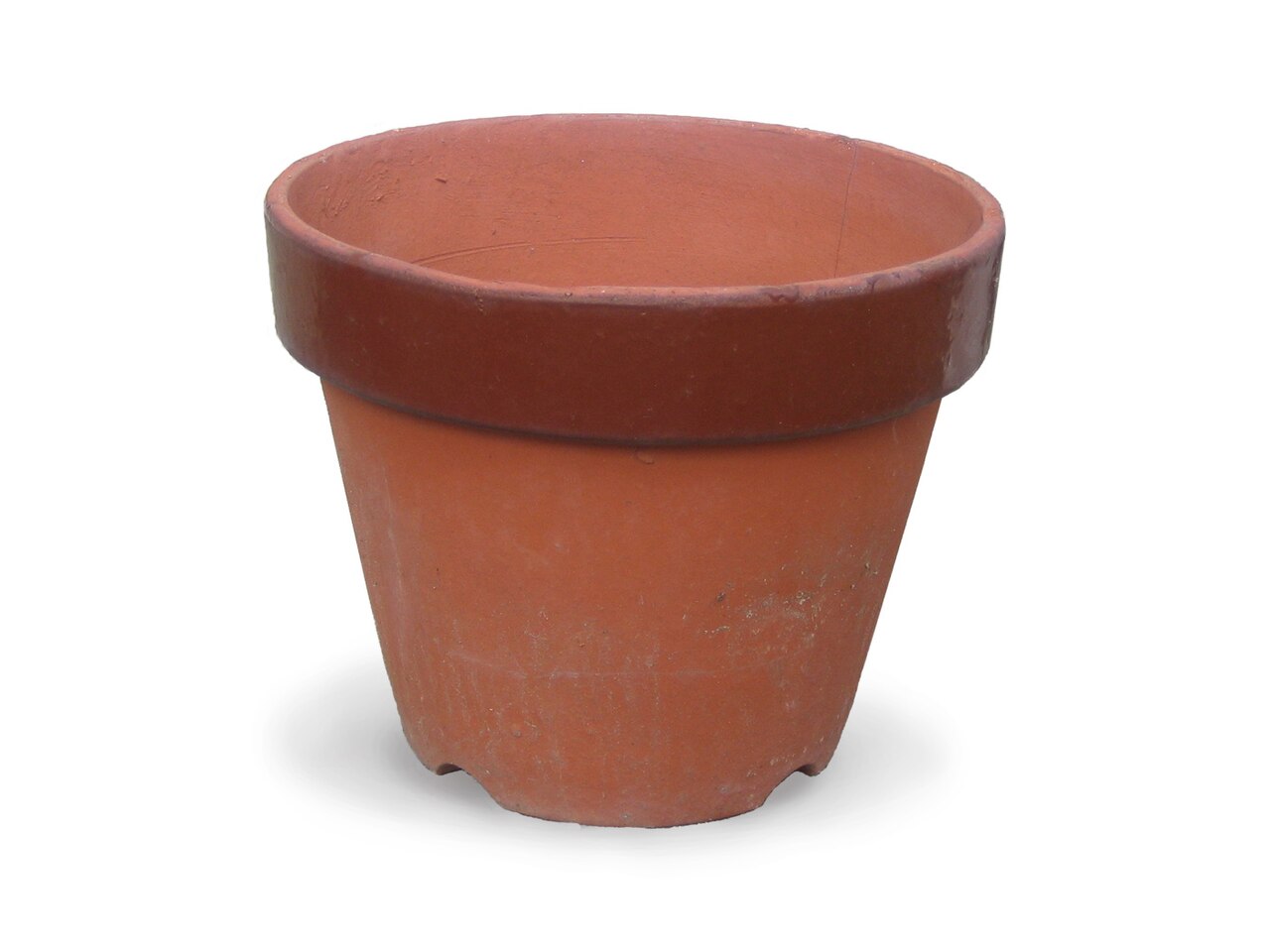
A pot is more than a container. It decides how fast the soil dries, how much room the roots have and whether extra water can escape. Many plant problems that look like "I'm bad at watering" are really pot problems.
This guide covers what matters when you choose a pot, why drainage is so important, and what to do with a pot you love that has no holes.
Why drainage matters
When you water a plant, any water the soil cannot hold should run out. If it has nowhere to go, it collects at the bottom of the pot. Roots need air as well as water, and roots sitting in a pool of water run out of air. The result is root rot, yellow leaves and a plant that droops even though the soil is wet.
A drainage hole lets extra water leave. It also lets you water thoroughly, so the whole root ball gets wet and the build-up of salts washes out. A pot without holes is not impossible to use, but it asks you to be much more careful. See the guide to how often to water and overwatering vs underwatering for the signs.
Choosing the size
A pot that is too big holds a large amount of soil that the roots cannot reach and cannot dry out. That soil stays wet and invites rot. A pot that is too small leaves roots cramped and the soil drying out too fast.
As a rule of thumb, when repotting move up one size, which is roughly 2 to 5 cm (1 to 2 inches) wider in diameter than the current pot, a little more for a large, fast-growing plant. Pick a pot a good fit for the roots, not for the look of the plant. Some plants, such as snake plants and many succulents, like to be snug. The repotting guide explains when to move up.
Materials
Plastic
Light, cheap and holds moisture for longer. Good for plants that like steady moisture and for people who forget to water. A plastic pot is also easy to squeeze when repotting. The soil dries more slowly, so be careful with watering.
Terracotta (unglazed clay)
Porous and breathable, so soil dries faster and air reaches the roots. A good choice for plants that hate wet feet, such as succulents, cacti and snake plants, and for anyone who tends to overwater. It is heavier, which helps tall plants stay upright. It can leave white mineral marks, and dries so fast that thirsty plants may need more water.
Glazed ceramic
Attractive and heavy. The glaze seals the surface, so it behaves more like plastic: slower drying. Check there is a drainage hole, because many decorative ceramic pots have none.
Metal, concrete, wood and others
Look nice, but check for drainage, check that the material won't rust or rot, and note that metal can get hot in the sun. Many are best used as outer pots.
Fabric grow bags
Common for larger plants, they let air through the sides and drain very freely. They dry quickly, which suits some plants, but they can be less neat indoors.
Cache pots and saucers
A cache pot is a decorative outer pot with no hole, which hides a plain plastic nursery pot that does have holes. This is often the simplest way to have both good looks and good drainage.
How to use one:
- Keep the plant in its pot with drainage holes.
- Water the plant at the sink, or lift it out of the cache pot to water it.
- Let it drain fully.
- Return it to the cache pot, and tip out any water that collects at the bottom after half an hour or so.
A saucer under a pot catches water. Empty it after watering. A plant standing in a full saucer is the same as having no drainage.
What if a pot has no hole?
You have three options:
- Use it as a cache pot for a plastic pot inside it. This is the best option.
- Drill a hole. This works for ceramic and clay with a suitable drill bit made for the material, and takes care and patience. Go slowly, because the pot can crack. Not suitable for every pot.
- Plant directly, with extra care. If you must, water in small amounts, check how much has pooled at the bottom with a wooden skewer, and choose a plant that tolerates it. A layer of gravel at the bottom is a popular tip, but it doesn't prevent the water table from forming. In fact the water sits higher than it would with only soil, so it is not a substitute for a hole.
Soil goes with the pot
A good pot with the wrong soil can still cause trouble. A free-draining mix in a pot with holes is the combination that forgives mistakes. Dense or peaty soil in a plastic pot holds water for a long time. Add perlite, bark or grit for plants that like to dry out.
When you repot, don't put a layer of different soil in the bottom. Fill the pot with the same mix, so water moves through smoothly.
Matching pot and plant
| Plant type | Good pot choice |
|---|---|
| Succulents, cacti, snake plants | Terracotta, with a gritty mix |
| Pothos, philodendron, monstera | Plastic or terracotta with holes, airy mix |
| Ferns, calatheas, moisture lovers | Plastic or glazed, with holes, richer mix |
| Plants in low light | A pot that drains well, since soil dries slowly |
See the pothos, monstera and snake plant guides for details about each.
Small habits
- Check the holes are not blocked by soil or roots.
- Lift pots occasionally to check weight.
- Wash old pots with soapy water before reusing them.
- Rinse new terracotta, since it may be dusty.
- Match the pot to the plant, not the other way round.
Final thought
Look for a pot with a hole, the right size and a material that suits how you water. If you love a decorative pot, use it as an outer pot. Get that right and watering becomes much easier, because the pot works with you.