Pothos care: the easy houseplant, done well
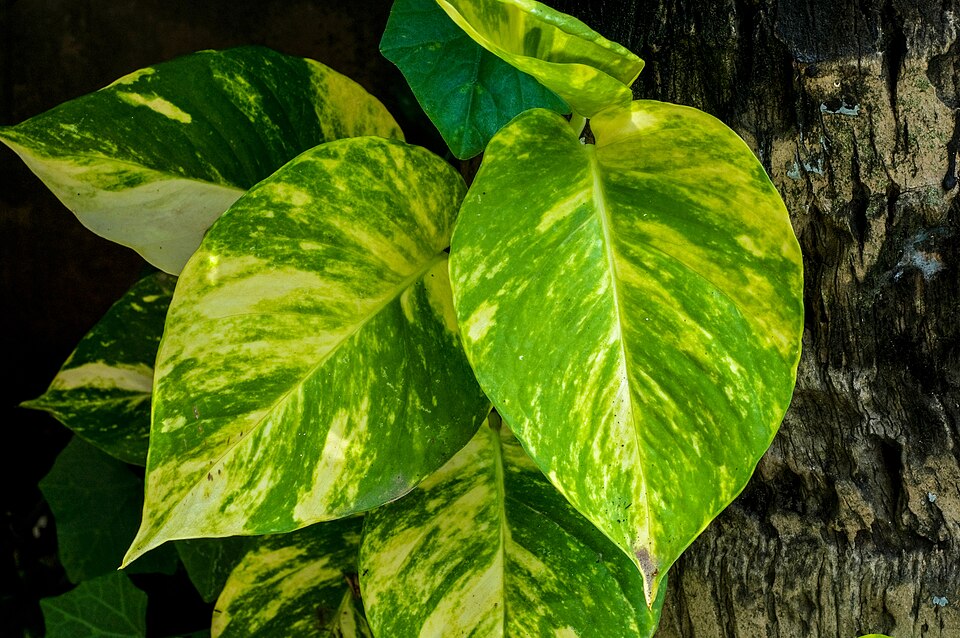
If one houseplant has a reputation for forgiving beginners, it is the pothos. It trails, it climbs, it grows in a wide range of rooms, and it sulks visibly when thirsty and then recovers. It is sold as Epipremnum aureum, and also under names like devil's ivy, golden pothos or money plant. Many people keep one alive for years with very little attention.
Easy does not mean care-free, though. A pothos looks its best with a few simple habits, and it has one or two ways it can go wrong. This guide covers all of it.
Light
Pothos prefers bright, indirect light: near a window but out of strong direct sun. It also copes in medium and even fairly low light, which is a big part of why people love it.
What changes with light:
- Bright indirect light: faster growth, fuller leaves, clearer variegation on the patterned kinds.
- Low light: slow growth, longer gaps between leaves, and variegated types may lose some of their pale patches.
- Strong direct sun: leaves can scorch, with pale or brown patches.
If your plant has long bare stems and small leaves, it is stretching toward light. Moving it closer to the window helps. See the low-light houseplants guide if your room is dim.
Watering
Pothos likes its soil to dry out a little between drinks. Check with a finger: when the top few centimetres (an inch or two) are dry, water thoroughly until water runs from the drainage holes, then empty the saucer.
Because it signals thirst so clearly, a pothos teaches you a lot. A thirsty plant droops and its leaves soften. A good drink usually brings it back within hours. Do not wait for the droop every time, though, since repeated stress shows in the leaves.
The usual way to lose a pothos is the opposite problem, too much water. Soil that stays soaked leads to yellow leaves, black or mushy stems and root rot. If you are unsure, wait a day and check again. The guide to watering houseplants explains how to tell, and overwatering vs underwatering shows both side by side.
Soil and pots
A regular, well-draining potting mix suits a pothos. A little perlite mixed in keeps it airy. Always use a pot with drainage holes, and take the plant out of any decorative outer pot to water it, so it never sits in a puddle. The pot and drainage guide goes into details.
Pothos are not fussy about being slightly root-bound. Repot when roots circle the pot or poke out of the holes, usually every year or two, and choose a pot only one size up. The repotting guide shows how.
Feeding
In spring and summer, when the plant is growing, feed lightly. A balanced liquid houseplant fertilizer at half the strength on the label, every month or so, is plenty. Stop or cut back in autumn and winter. Too much fertilizer builds up salts in the soil and can brown the leaf tips. The fertilizing guide has more.
Temperature and humidity
Pothos is happy at ordinary room temperatures, roughly what is comfortable for you. Keep it away from cold draughts, such as an opening door or a window in a freezing room, and away from heaters blowing hot air on it.
Average home humidity is usually fine. Brown, crisp leaf edges can be a sign of very dry air, but they more often come from dry soil, so check the soil first.
Pruning and shaping
Pothos grows long vines. If yours is leggy, you can cut it back. Cut just above a node, which is the small bump on the stem where a leaf and sometimes a tiny root meets the vine. New growth will usually appear from nodes below the cut, and the plant becomes bushier.
Some ways to use the vines:
- let them trail from a shelf or a hanging pot
- train them up a moss pole or a hook on the wall
- tuck the ends back into the soil to fill the pot
Propagating
Pothos is one of the easiest plants to multiply, and every pruning gives you free cuttings. Cut a piece of vine with at least one node and a leaf or two, put it in a glass of water, and wait for roots. The guide to propagating cuttings in water explains it step by step. Cuttings from a long vine make a good gift too.
Problems and what they mean
Yellow leaves. Most often too much water, especially if it is the lower leaves and the soil is damp. Sometimes an old leaf simply reaches the end of its life. See yellow leaves on houseplants.
Drooping or limp leaves. Check the soil. Dry soil means thirst, and the plant will recover after a drink. Wet soil and drooping means rot may be starting.
Brown, crisp edges. Often under-watering or dry air, sometimes too much fertilizer.
Black or mushy stems at the base. A sign of root rot. Take the plant out, cut away soft roots, and repot in fresh dry mix. Take cuttings from healthy vines in case the rescue fails.
Small flying insects around the pot. These are usually fungus gnats, which like wet soil. See the fungus gnats guide.
Fine webbing and speckled leaves. Possibly spider mites. See the spider mites guide.
A note for pet owners
Pothos is considered mildly toxic if chewed by cats, dogs or people, and can cause irritation of the mouth. If you have a pet that nibbles plants, keep it out of reach or choose a different plant, and ask a vet if your pet has eaten some.
Keeping it going
A pothos asks for little: decent light, a drink when the soil has dried, and a trim when it gets long. If you remember only one thing, remember to check the soil before watering. Noting each watering date helps you see its rhythm, and it will probably be more regular than you expect, which is how an easy plant stays an easy plant.