Fungus gnats: get rid of the tiny flies
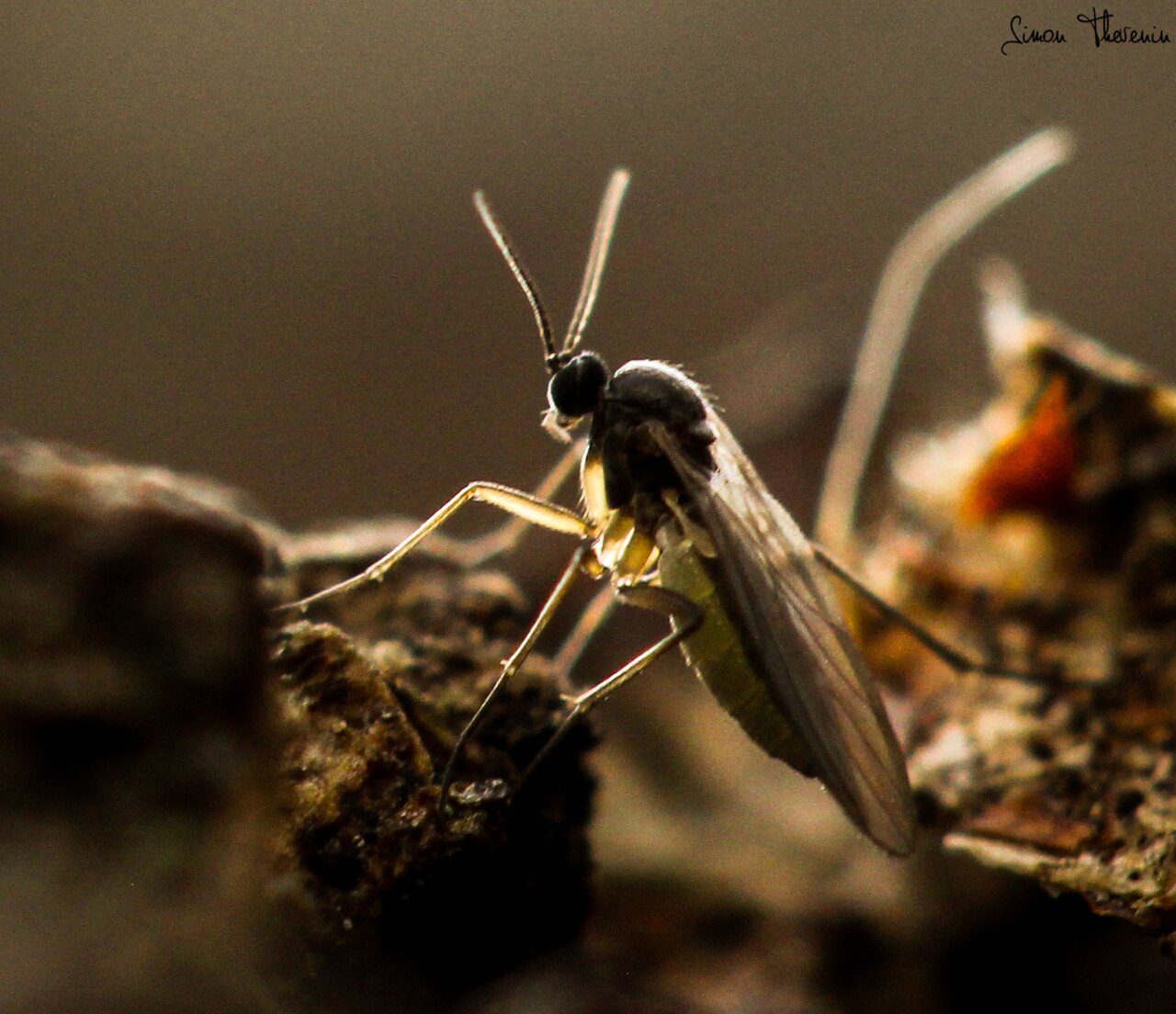
You water a plant, and a few days later you notice tiny dark flies drifting around it. They land on the soil, on the windowsill, sometimes in your coffee. They are fungus gnats, and they are one of the most common houseplant nuisances.
They are annoying rather than dangerous, and they are very beatable. The key is understanding what they want, which is damp soil.
What fungus gnats are
Fungus gnats are small, slender flies, usually dark grey or black, that look a bit like tiny mosquitoes. The adults are weak fliers and mostly hover near the soil. They do not bite.
The adults are not the real problem. The larvae are. They are very small, pale, wormlike creatures with a dark head that live in the top layer of damp soil. They feed on fungus and decaying material in the soil and, in large numbers, may nibble fine roots. A healthy mature plant usually shrugs this off. Seedlings, cuttings and weak plants can suffer more.
Why you have them
Adults lay eggs in moist soil, and the larvae develop there. The common causes:
- Soil that stays wet. This is the big one. Constant moisture is where they thrive.
- Overwatering, or watering on a fixed schedule rather than when the soil is dry.
- A pot with poor drainage.
- Dense, peaty potting mix that holds water.
- New plants or fresh potting soil that carried eggs in with them.
- Decaying leaves on the surface of the soil.
The gnats often arrive with a new plant or a bag of soil, but they only stay if the conditions suit them. Fix the conditions and the problem fades.
How to get rid of them
1. Let the soil dry
This is the most effective step. Larvae need moisture, so let the top few centimetres (one to two inches) dry out completely between waterings. For plants that tolerate it, allow even deeper drying. Check with a finger or a wooden skewer. The guide to how often to water houseplants explains the checks.
2. Use sticky traps
Yellow sticky traps, pushed into the soil or hung beside the pot, catch the adults. They do not cure the problem, but they cut the number of egg-laying adults and show you how bad it is. Replace them when they fill up.
3. Water from below for a while
Bottom watering keeps the surface dry while the roots drink. The bottom watering guide explains how. Let the pot drain fully afterwards.
4. Add a dry top layer
A layer of coarse sand, grit or fine gravel about one to two centimetres thick on top of the soil makes it harder for adults to lay eggs and keeps the surface dry. Pick something clean.
5. Remove the top layer of soil
If there are lots of larvae, scrape off the top few centimetres of soil and replace it with fresh, dry mix. Throw the old soil away outside rather than in the compost indoors.
6. Consider a biological control
Garden centres sell products containing bacteria (Bacillus thuringiensis israelensis) or tiny beneficial nematodes that attack fungus gnat larvae. Follow the label. These target the larvae and are used in the soil.
7. Repot if it is bad
If the problem keeps coming back and the soil is soggy, repot into fresh, well-draining mix in a pot with drainage holes. Shake off the old soil and check the roots for rot. See when and how to repot a plant.
Home remedies
You will find advice online to water with diluted hydrogen peroxide, or to use cinnamon, or to set out cups of vinegar and soap. Some people report that these help. They are less reliable than drying the soil and using traps, so treat them as extras, and test anything on a single leaf of a delicate plant first. Never use strong chemicals around pets and children.
Things that do not help
- Watering more to "drown" them. This feeds the problem.
- Spraying only the adults. New ones hatch from the soil.
- Ignoring it. The cycle is short, so numbers can climb quickly.
A fungus gnat life cycle takes roughly a few weeks, so give any method two to three weeks, and keep going after the last adult is gone to catch eggs still in the soil.
How to keep them away
- Water only when the plant is ready, not on a fixed day.
- Use pots with drainage and empty saucers.
- Choose a light, well-draining mix.
- Remove fallen leaves from the soil surface.
- Quarantine new plants for a couple of weeks and check their soil.
- Keep plants where air moves and light is good, since damp, still, dim places suit gnats. See the low-light houseplants guide for how dim rooms change watering.
Is it really fungus gnats?
Not every small insect is a gnat. If the tiny creatures cling to the leaves and you see fine webbing or speckled leaves, you may be dealing with spider mites. If you see little white flecks that jump when you water, those could be springtails, which are harmless and feed on mould. Springtails are a hint that the soil is too wet.
Be patient and consistent
Fungus gnats are a sign of wet soil more than a sign of a bad plant owner. Dry the soil, trap the adults, keep the surface clean and wait. Most people see the numbers drop within a couple of weeks. A record of watering dates helps you spot when a routine has drifted too wet.