Snake plant care, and how not to kill one
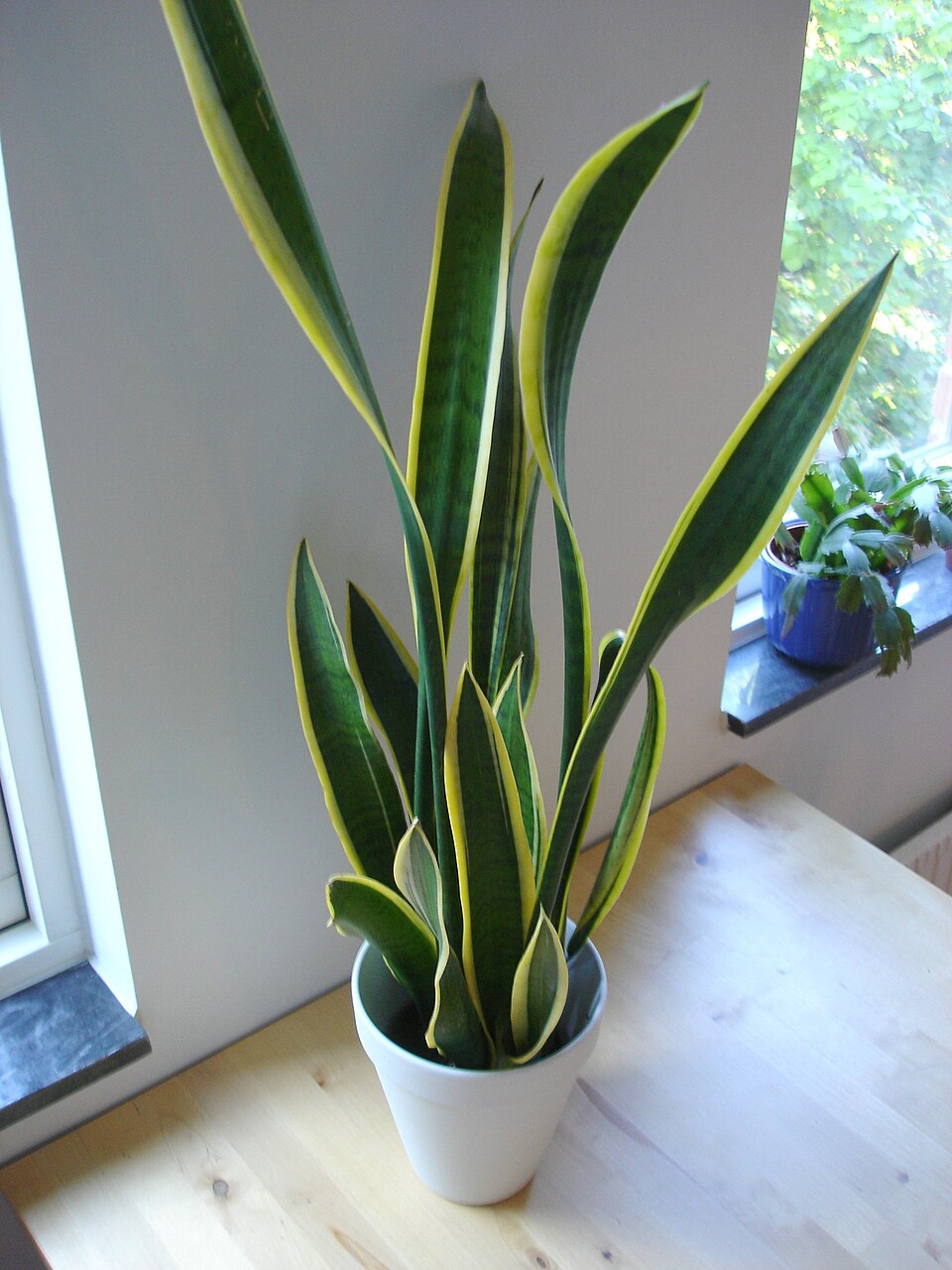
The snake plant, also called mother-in-law's tongue and sold as Sansevieria or Dracaena trifasciata, is a classic survivor. Stiff, upright leaves, often striped or edged with yellow, and a habit of thriving on neglect. It suits busy people, shady rooms and anyone who has lost other plants.
It does have one weakness, and it is the same one that ends most houseplants: too much water. Get that right and a snake plant will go on for years.
Water: less than you think
Snake plants store water in their thick leaves and in their roots, and they come from dry places. They are built for dry spells, not for wet feet.
The simple rule: let the soil dry out completely, all the way down, before watering again. Then water thoroughly and let the excess drain away.
How long that takes depends on light, pot and season. In a bright, warm spot in summer it may be every two to three weeks. In winter or in low light it can be every month or more. Push a finger deep into the soil, or use a wooden skewer to the bottom of the pot, and water only if it comes out clean and dry. The guide to how often to water houseplants explains the checks.
If you forget a snake plant for a couple of weeks, it will almost certainly be fine. If you water it every few days, it almost certainly will not.
Signs of too much water
- Leaves turning yellow and soft, or falling over at the base
- A mushy, brown or black base
- Soil that stays wet and smells sour
Once rot reaches the base of the leaves, it spreads. Healthy leaves can sometimes be saved as cuttings. See overwatering vs underwatering for a side-by-side look.
Signs of too little water
- Leaves that look wrinkled or crinkled lengthwise
- Slightly curled, thin leaves
- Dry soil pulling away from the pot
This is easy to fix: water well and the leaves plump up over a few days. Underwatering takes a long time to harm a snake plant.
Light
Snake plants tolerate low light better than most plants, which is why they are so popular for offices and bedrooms. They grow faster, and keep their colours better, in bright indirect light. Some direct morning sun is fine, but hot afternoon sun against glass can scorch the leaves.
In very low light the plant will survive but barely grow, and it will use even less water, so be extra careful. See the low-light houseplants guide for others that cope with dim rooms.
Soil and pot
A fast-draining mix is best: a cactus and succulent mix, or ordinary potting soil with extra perlite or grit. Dense, peaty soil holds water for too long.
The pot must have drainage holes. Terracotta is an excellent choice because it breathes and dries faster than plastic or glazed ceramic. Snake plants have heavy, tall leaves, so choose a stable pot that will not tip. See choosing a pot and drainage.
Feeding
A snake plant needs very little. Feed once or twice during spring and summer with a diluted houseplant fertilizer, and leave it alone in winter. Too much feeding gives soft, floppy growth and doesn't help. The fertilizing guide explains how to dilute.
Repotting
Snake plants like being a bit snug in their pots and grow slowly, so they rarely need repotting. When the roots have filled the pot, the pot bulges or cracks, or the plant keeps toppling, move it to a pot one size up in spring. Sturdy roots can crack a plastic pot, so check from time to time. The repotting guide covers the steps.
Propagating
You can make new plants in two ways:
- Divide the plant. When repotting, separate sections that have their own roots and plant each one in its own pot. This keeps any pattern the plant has.
- Leaf cuttings. Cut a healthy leaf into sections, let the cut ends dry for a day or two, and plant each section upright in a dry, gritty mix, or place it in water. This takes patience, since roots can take weeks, and plants grown this way from some striped types may lose the stripes.
Cleaning and general care
The broad leaves collect dust, which blocks light. Wipe them gently with a damp cloth. Keep the plant out of cold draughts and away from temperatures that get close to freezing, since cold damages the leaves.
Pests
Snake plants have few pests. Occasionally mealybugs, which look like small white cotton, or spider mites appear. Check the crevices at the base of the leaves. If you see webbing, read the spider mites guide. Fungus gnats may visit if the soil stays damp, as described in the fungus gnats guide.
Safety
Snake plants are considered mildly toxic to cats, dogs and people if eaten, and can upset the stomach. Keep them out of reach of pets that chew leaves.
The one-sentence version
Water only when the soil is completely dry, give it as much light as you can, and then mostly leave it alone. A snake plant rewards being forgotten more than being fussed over, and a simple record of when you last watered it keeps you honest.