Houseplant care in winter: what really changes
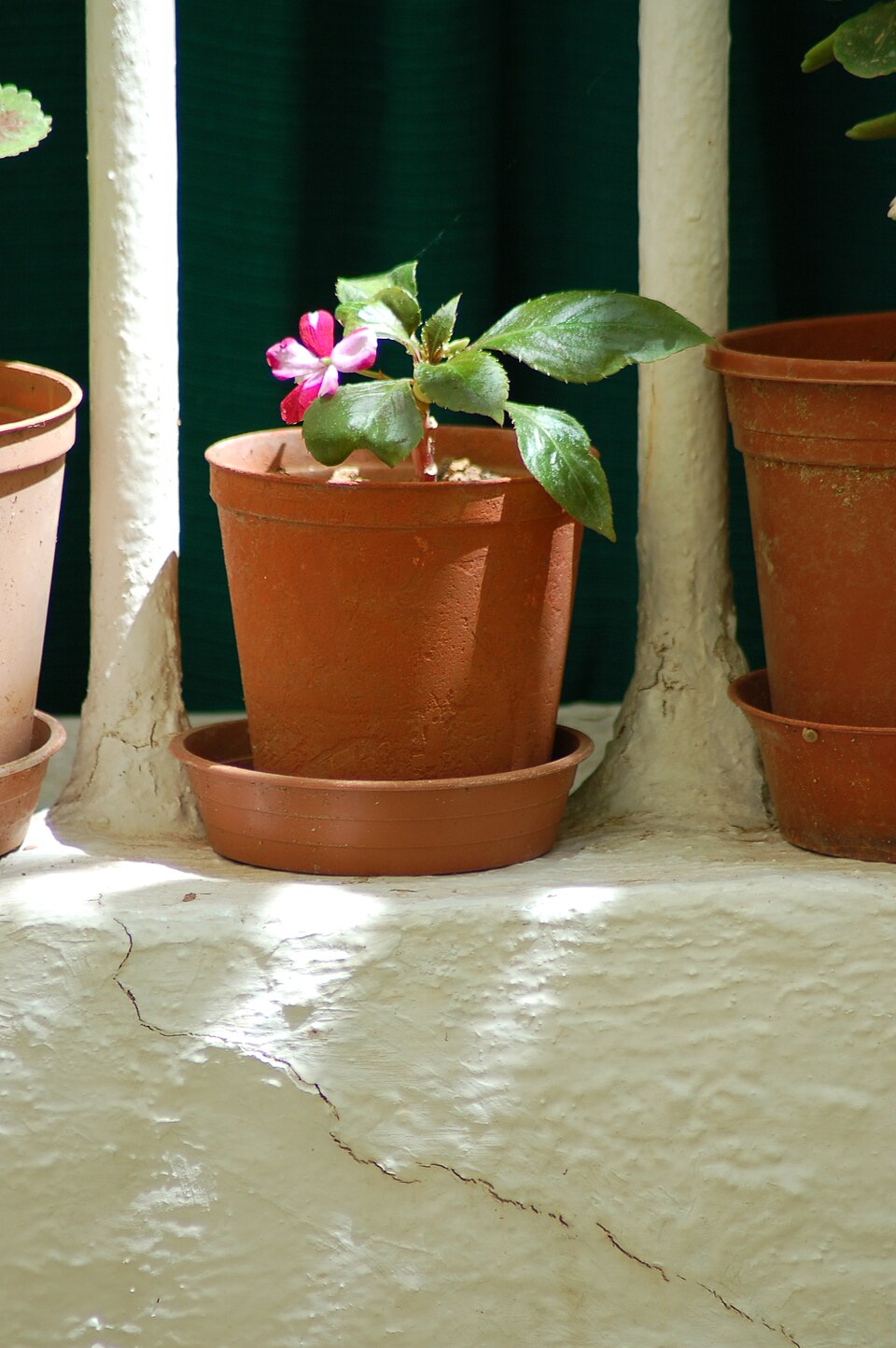
Many houseplants quietly change their behaviour when the days shorten. Growth slows, leaves stop appearing, and the plant that drank every week in July seems to hardly touch its water. If you carry on as in summer, winter is when problems start.
The good news is that winter care is mostly about doing less. This guide explains what changes and how to adjust.
What winter does to a plant
Three things shift at once:
- Light gets weaker and the days get shorter. The sun is lower, so the light through a window is thinner and arrives at a flatter angle.
- Temperature inside changes. Rooms may be cooler near windows and dry and hot near radiators.
- Humidity drops. Heating dries the air.
With less light, most plants slow down or rest. They make less food, use less water and want little fertilizer. Some plants (especially those from tropical places) keep growing slowly, while others, such as many bulbs, cacti and some trees, take a proper rest.
Water less, but still check
This is the biggest adjustment. A slow plant uses less water, and cool, dim conditions keep the soil wet for longer. Overwatering in winter is the commonest way to lose a houseplant.
- Check the soil before every drink and wait until it is dry to the right depth for the plant.
- Expect longer gaps. A plant that was watered weekly may now need water every two or three weeks.
- Use less water if the plant is dormant, but still water thoroughly when you do.
- Empty saucers right after watering.
- Use room-temperature water. Very cold water chills the roots.
The guide to how often to water houseplants explains the checks, and overwatering vs underwatering helps when you are unsure what a drooping plant wants.
Make the most of the light
Winter light is the limit for many plants, so help it along:
- Move plants closer to the window, within reason. The best bright spot in summer may be different in winter. A few steps closer can make a big difference.
- Keep the glass clean. Dust and grime cut light.
- Clean the leaves with a damp cloth so they can use what arrives.
- Rotate pots now and then so all sides get light.
- Watch for leaning and stretching, which mean the plant wants more light.
- Consider a grow light for a particularly dark home. A simple LED lamp on a timer for several hours a day can help.
Plants that needed bright sun in summer may need a place in a bright window now, while low-light plants can stay where they are. The low-light houseplants guide lists plants that cope with dim rooms.
Be careful with windows on very cold nights. Leaves touching cold glass can be damaged, and a draught from the window frame can chill a plant. Pulling pots a little back from the glass at night, or tucking a piece of card between, protects them.
Stop or cut back the fertilizer
A resting plant cannot use the extra nutrients, and unused fertilizer builds up as salts in the soil. Most plants do best with no feeding from autumn until spring. If a plant is still growing steadily under good light, give it a weak dose now and then. The fertilizing guide explains.
Keep clear of heat and cold
Plants are happiest at temperatures that feel comfortable to you. In winter, watch for:
- Radiators and heaters. Hot, dry air blowing on a plant dries leaves and soil quickly.
- Cold draughts. An opening door, a drafty window, a cold hallway. Sudden changes upset many tropical plants.
- Cold floors. Pots standing on a very cold floor can chill the roots. Lift them onto a stand or shelf.
Most common houseplants dislike dropping to near freezing, so bring plants in from balconies and porches before the nights turn cold.
Humidity
Heated air is dry. Plants with thin leaves or tropical origins, such as ferns and calatheas, may show brown tips. Some ideas:
- group plants together, since they raise the humidity around themselves a little
- put a tray of pebbles and water under the pot, keeping the base of the pot out of the water
- use a humidifier in the room
- keep plants away from heaters
Misting gives only a brief change, and some plants dislike wet leaves in cool rooms, so use it sparingly.
Dry air also helps pests such as spider mites, so look at the undersides of leaves from time to time. The spider mites guide explains what to look for.
Hold off on repotting and pruning
Repotting in winter stresses a plant that is not growing and cannot recover quickly. Unless a plant is in real trouble, wait until spring. The same goes for heavy pruning. Remove dead or damaged leaves, but save the big changes for the growing season. See when and how to repot a plant.
Watch for winter problems
- Yellowing lower leaves. Often too much water. See yellow leaves on houseplants.
- Brown, crisp tips. Dry air.
- Leggy growth. Not enough light.
- Leaf drop after moving. Plants dislike sudden changes. Keep moves small.
- Fungus gnats. Damp soil for too long. The fungus gnats guide helps.
- Pests in dry air. Check leaves regularly.
Some leaf drop is normal. A plant slowing down may shed a few old leaves without anything being wrong.
Plants that really rest
Some plants have a true dormant period and want a different routine. Many cacti and succulents need very little water in winter. Plants grown for their flowers or bulbs may die back and rest, and then shoot again in spring. If you are unsure, look up the specific plant, and don't throw out something that looks bare until you've checked.
Coming out of winter
When days lengthen and new growth appears, usually in early spring, you can slowly return to normal. Water a little more often as the soil dries faster, start feeding lightly, and think about repotting any plant that needs it. Make changes gradually rather than all in one go.
Keeping a record of what each plant did last winter helps next year. When you write down the watering dates, you will see how the gaps lengthened and how much you can do less.